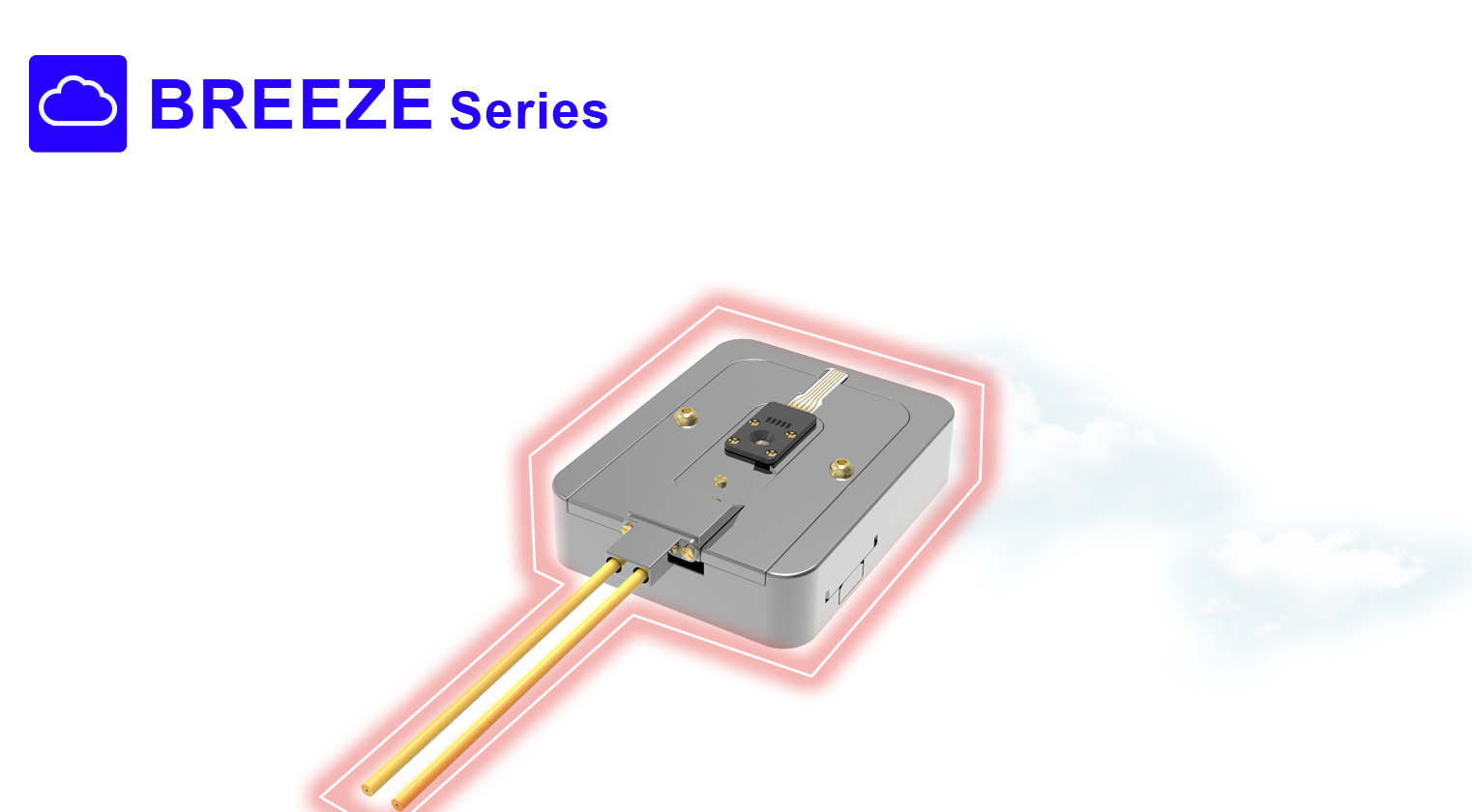
SEM Gas Heating In-situ System
Product Features
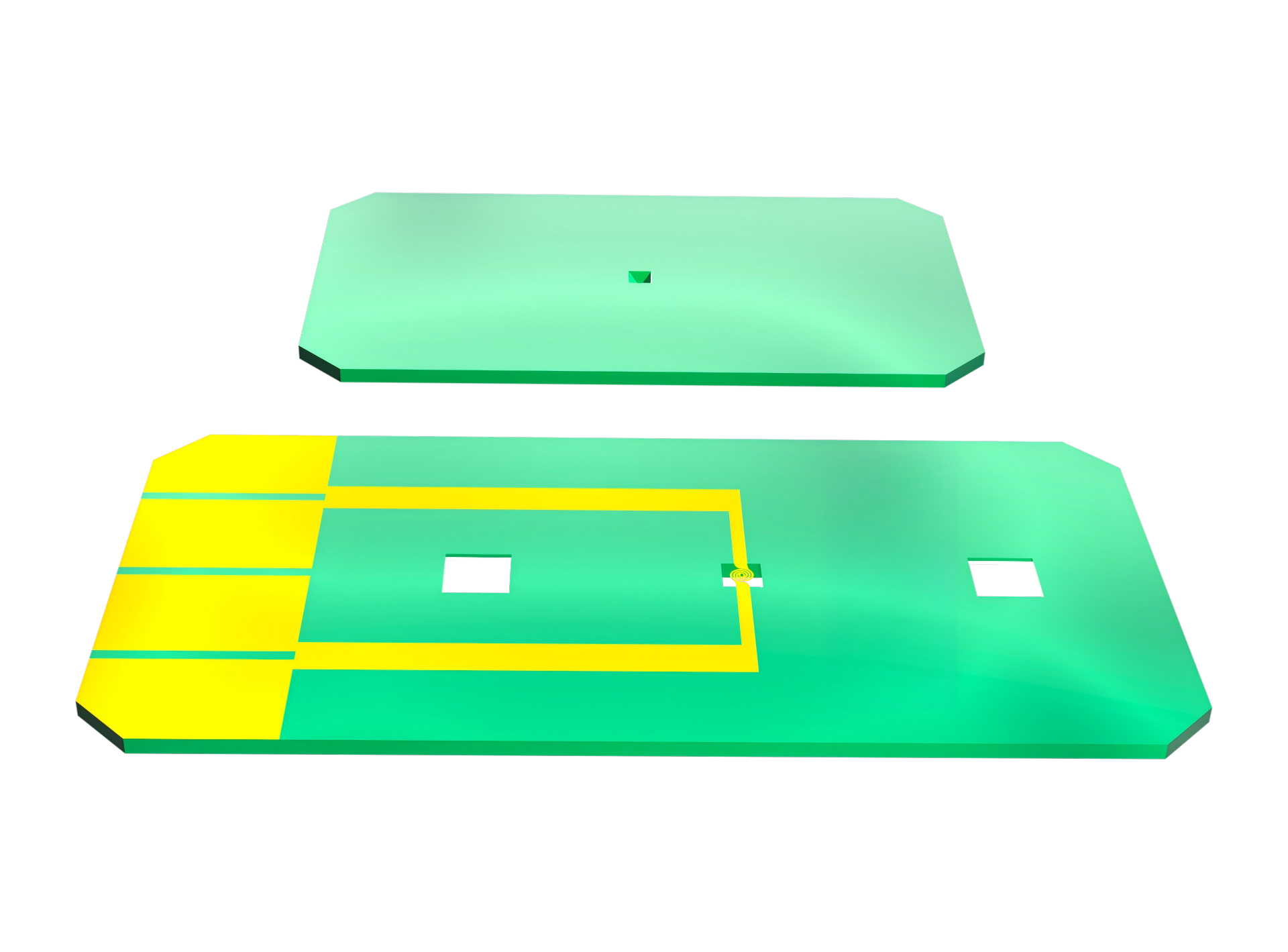
Adopting MEMS microfabrication technology to build an atmospheric nano-laboratory inside the in-situ sample stage, thermal field control is applied to samples via MEMS chips. While measuring thermal properties, combined with multiple detection modes such as EDS, it enables real-time and dynamic monitoring at the nanoscale of key information including the evolution of microscopic structure, reaction kinetics, phase transformation, element valence states, chemical changes, micro-stress, as well as structural and compositional evolution on surfaces and interfaces of samples under atmospheric environments with variations in thermal fields.
- Product composition
- Unique Advantages
- Functional Parameters
- Application
-
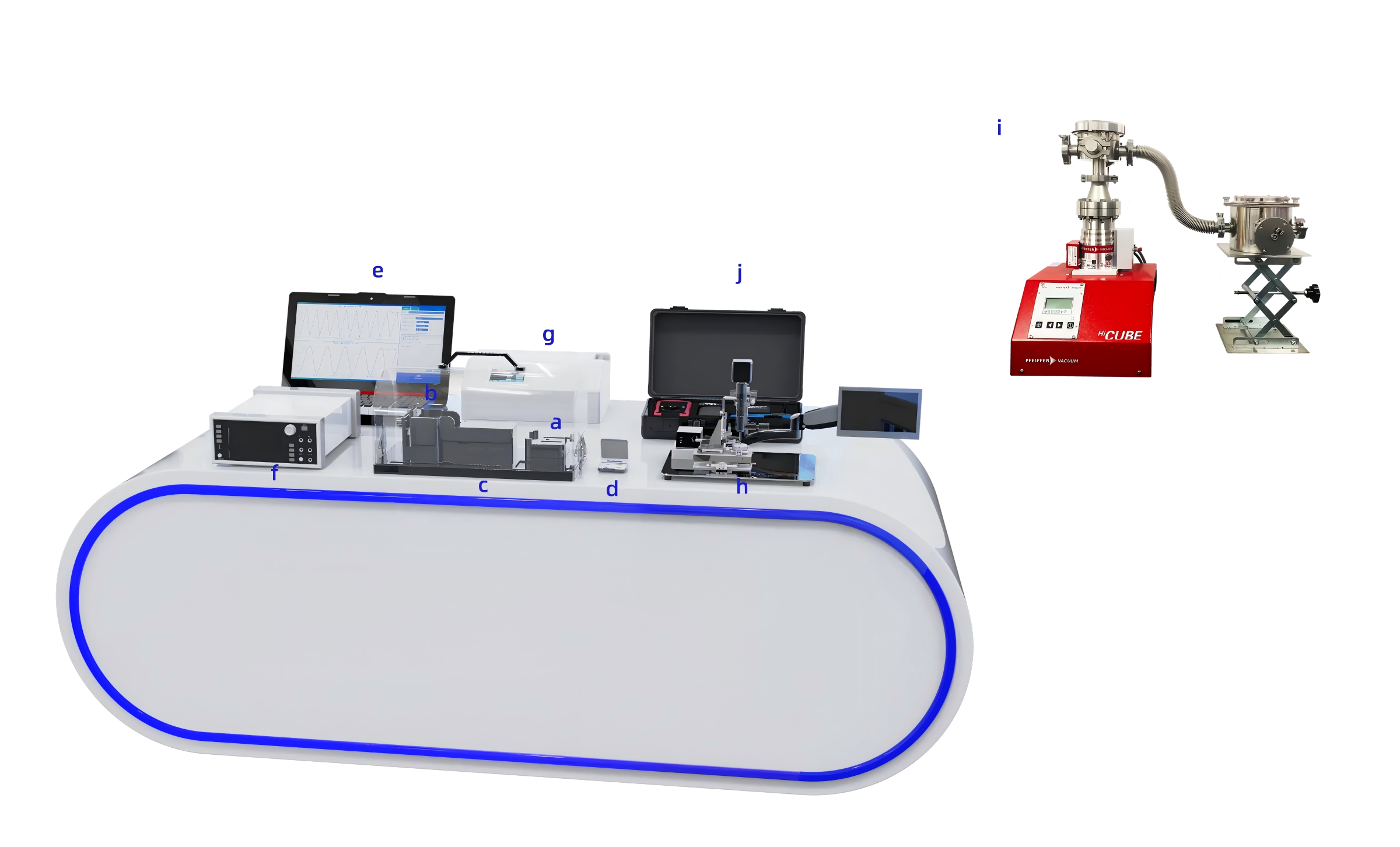
a. Gas Heating In-situ Sample Stage b. Special In-situ SEM Flange c. Temporary Storage Box for Scanning Sample Stage d. MEMS Gas Heating Chip e. Temperature Control Program f. Temperature Controller g. Atmospheric Microfluidic Circulation System h. High-Precision Chip Assembly Instrument i. SEM High-Vacuum Leak Detector j. Accessory Kit keywords:- MEMS Gas Heating Chip
- In-situ Gas Scanning Electron Microscope
- SEM In-situ Gas-phase Heating
- Gas Environment SEM Sample Stage
- SEM In-situ Gas Sample Stage
-
High Resolution in Gaseous Environments ·Proprietary MEMS fabrication technology enables the silicon nitride membrane in the chip window to be as thin as 20 nm, significantly reducing electron beam interference.。 High Safety ·1.Adopts nanofluidic technology with piezoelectric microfluidic control systems to achieve nanoliter-scale fluid delivery at a precision of 5 nL/s. During each gas injection, the excess gas volume in the in-situ nanofluidic system and sample stage is only at the microliter level, effectively ensuring TEM safety.
·2. Uses polymer membrane surface contact sealing technology. Compared with O-ring seals, this increases the sealing contact area and effectively reduces the risk of leakage. · 3. Utilizes ultra-high-temperature coating technology. The silicon nitride membrane in the chip window offers excellent properties including high temperature resistance, low stress, pressure resistance, corrosion resistance, and radiation resistance. Excellent Thermal Performance ·1. High-precision infrared temperature calibration with micron-level high-resolution thermal field measurement and calibration to ensure temperature accuracy.
· 2. Adopts highly stable noble metal heating wires (non-ceramic material), which function as both thermal conductors and thermal sensors with excellent linear resistance-temperature characteristics. The heating zone covers the entire observation area, enabling fast heating/cooling rates, a stable and uniform thermal field, and temperature fluctuations ≤ ±0.1℃ under steady-state conditions. ·3. Implements closed-loop ultra-high-frequency dynamic control with ambient temperature feedback for temperature regulation. High-frequency feedback control eliminates errors, delivering a temperature control accuracy of ±0.01℃. ·4. Features a unique multi-stage composite heating MEMS chip design that controls thermal diffusion during heating, significantly suppressing thermal drift and ensuring efficient experimental observation. Team Advantages ·1. The team lead participated in the R&D and refinement of in-situ liquid-phase TEM methods from the early stages of their development.
·2. Independently designs in-situ chips and masters core chip fabrication processes. ·3. The team consists of over 20 researchers specializing in in-situ liquid-phase TEM, providing technical support for in-situ experiments across multiple research directions. -
Category Item Specification Basic Specifications Stage Material High-strength Titanium Alloy Window Membrane Thickness 20nm Compatible TEM Brands Thermo Fisher/FEI, JEOL,Hitachi -